01142908809
Request a call back

Request a call back
Request a call back
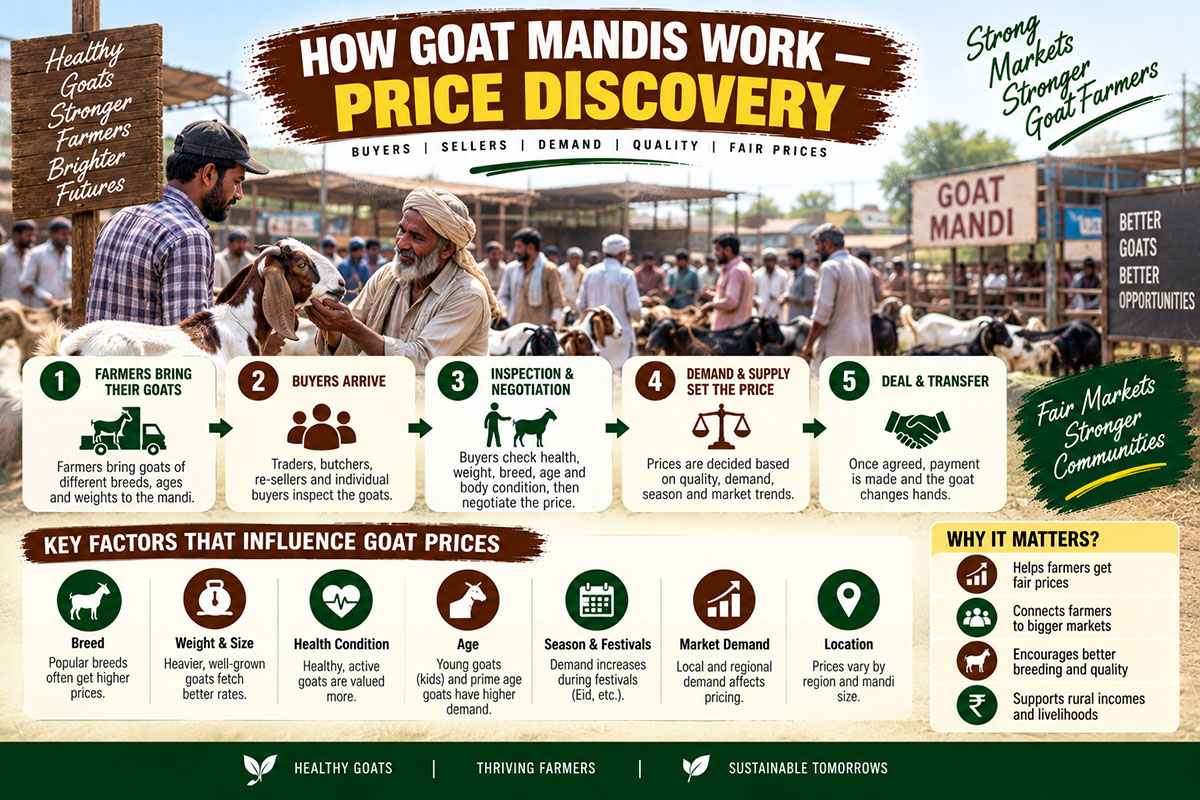
For many farmers, the mandi is where months of work translates into actual income — yet how prices are actually set there often remains unclear. Understanding the mechanics gives both buyers and sellers a real edge.
A goat mandi typically brings together individual farmers selling their animals, traders/middlemen who buy in volume (often for resale to butchers or other markets), butchers buying directly for meat, and individual buyers, particularly around festival periods like Bakra Eid.
Unlike a fixed-price retail setting, mandi prices are negotiated animal-by-animal, influenced by visible factors — size, breed, apparent health, age (often judged by teeth) — combined with the day’s overall supply and demand. A seller with many animals and few buyers that day will generally accept lower offers; a buyer facing high demand and limited supply will pay more. Prices can shift noticeably even within a single trading day as supply and buyer interest change.
Traders/middlemen play a significant role in many mandis, often buying from farmers and reselling to butchers or other markets at a margin. This isn’t inherently unfair — middlemen provide real services like transport, aggregation, and market access — but farmers who understand this layer can sometimes access better prices through direct sale where feasible, or negotiate more confidently knowing where the margin typically sits.
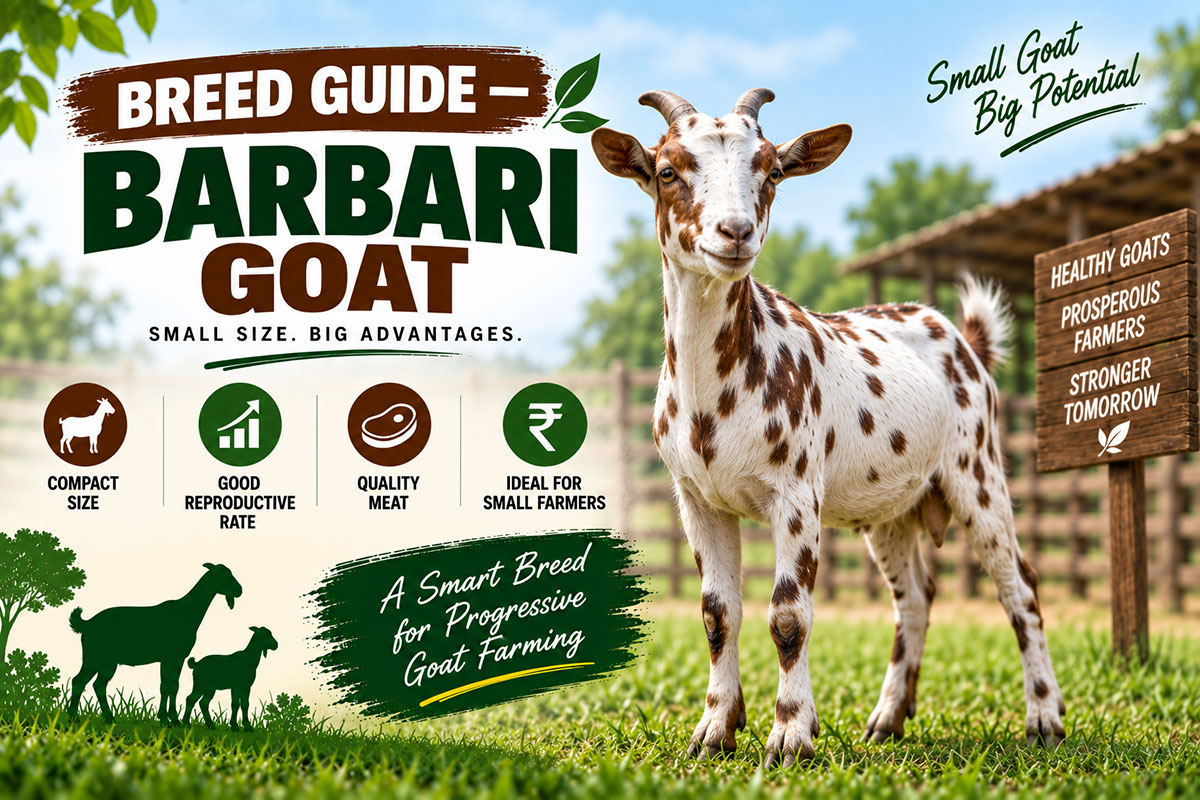
Prices at most Indian goat mandis rise meaningfully in the weeks before Bakra Eid, driven by concentrated demand for sacrificial animals. Farmers who understand this pattern can time sales — or at least set price expectations — around known seasonal demand shifts rather than being caught off guard by them.