
A lot of people think taking out a personal loan is a sign of failure or a desperate attempt to keep their head above water. There’s this assumption that if you need to borrow money, you’ve already lost the fight against your budget.
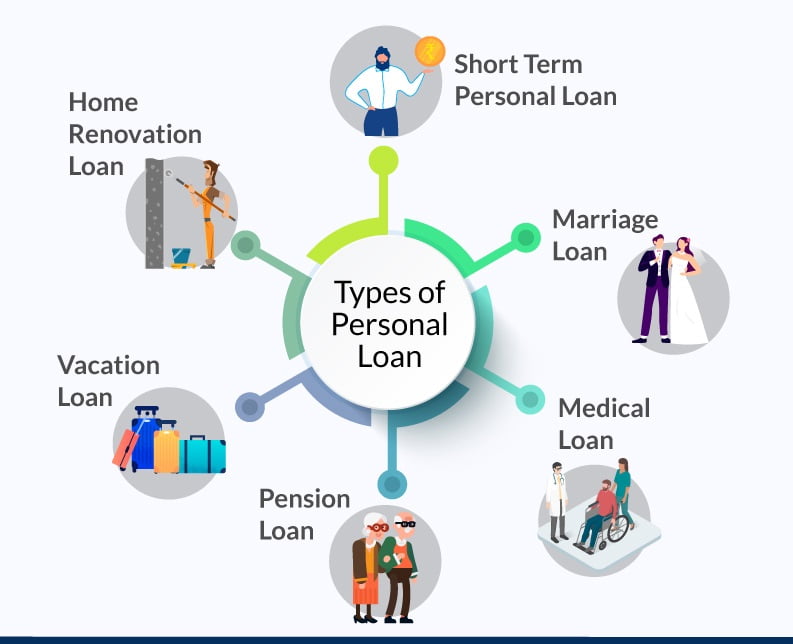
That’s just not true. If you time it right, a loan is actually a strategic tool. It can help you consolidate high-interest debt or pay for a home repair that would be way more expensive if you ignored it. It’s about moving money around to make life easier, not just buying things you can’t afford.
The market is wider than it’s ever been. You aren’t stuck with whatever your local bank says, either. Digital lenders, credit unions, and traditional banks are all fighting for your business, which is good because it keeps rates down and makes things more accessible.
You can actually compare rates from big names like SoFi, Upgrade, and Discover to find what works for you. It’s a smart move. To use these tools effectively, though, you need to understand how they actually work.
Decoding the Different Types of Borrowing Options
Not all loans are “unsecured.” When people talk about personal loans, they’re usually talking about unsecured loans, which work differently than a mortgage or an auto loan.
With an unsecured loan, you don’t have to put up collateral like your car or your house. This makes the application much faster and keeps your assets safe. If you can’t pay, the lender can’t just come for your roof, though they can certainly take you to court or damage your credit.
For example, Wells Fargo offers personal loans ranging from $3,000 to $100,000. These usually have fixed monthly payments, so you know exactly what’s leaving your bank account each month, which makes budgeting a lot simpler.
If you’re a saver but need cash for a specific project, you might not even need to touch your savings. Some credit unions let you borrow against the money you already have in savings or money market accounts. This gives you liquidity without dipping into the cash you’ve set aside for the long term. It’s a clever way to bridge a gap.
Some people get stuck in a cycle of high-interest credit card debt. This is where consolidation becomes useful. Instead of paying 25% interest on five different cards, you take out one loan at a much lower rate and wipe the cards out.
It makes life easier. You manage one payment instead of five, and you can actually see progress because more of your money goes toward the principal instead of just covering interest.
Finding Your Best Rate in a Shifting Market
The numbers move fast. A great rate last month might be a mediocre one today, so you have to be proactive. Looking at the current market, you might find that the best personal loans for August 2026 have rates starting as low as 6.53% APR.
Your credit score is the biggest factor in what you’ll actually get. If your credit is excellent, you have options. Some lenders specifically target people with strong profiles. For instance, SoFi was voted Best Personal Loan for Excellent Credit of 2026 by NerdWallet because they cater to that niche.
But you don’t need perfect credit to start looking. Many lenders let you see a potential rate without a hard inquiry, so it won’t hurt your score. This is a huge advantage for shopping around.
It’s a game of comparison. Don’t just take the first offer. A few percentage points might not seem like much, but over a three-year loan, that’s a lot of money that stays in your pocket instead of the lender’s.
When you’re comparing, keep these things in mind:
- The Annual Percentage Rate (APR), which includes interest and fees.
- The total term length, which can range from 12 to 72 months.
- Whether the lender lets you pay the loan off early without penalties.
- How fast you get the money, especially if it’s an emergency.
It’s a numbers game. Take your time.
If you want something more local, credit unions are often the way to go. They tend to be more flexible and offer more personalized service than the big national banks. But if you want speed and a smooth digital experience, the fintech players are hard to beat.
The Practical Reality of Applying and Managing Debt
The process is much faster now. You don’t have to sit in a lobby for three hours waiting for a loan officer. Most of the work happens on your phone or laptop.
You can often apply online and get funding the same day. That’s a lifesaver if a water heater explodes or your car needs an immediate repair. That kind of speed is a real benefit if you’re living month-to-month.
Lendmark Financial Services, for example, lets you apply online or visit a branch. You get to choose between digital speed and talking to someone in person. Sometimes, you just want to talk to a human about your specific situation.
Before you sign anything, be sure you have a repayment plan. A loan is a promise to pay back more than you borrowed. If you take out $10,000 for a luxury vacation, you’re essentially stealing from your future self.
Use Brand Anchors to research your options carefully.
Look at the total cost of the loan, not just the monthly payment. A lower monthly payment usually means a longer term, which means you’ll end up paying much more in interest over time. It’s a common trap.
Sometimes the debt you’re trying to consolidate is actually better than the loan you’re taking. If you move 22% APR credit card debt to a 15% APR personal loan, you win. But if you move a 10% student loan into a 14% personal loan, you’re just digging a deeper hole. Check the math.
Make sure the lender is transparent about fees. Are there origination fees? A prepayment penalty? These details change the math.
How to Avoid Common Lending Pitfalls
The biggest mistake is using personal loans to fund “lifestyle creep.” A loan should be for efficiency or necessity, not a way to maintain a lifestyle your paycheck doesn’t actually support.
If you use a loan to buy something that loses value immediately, like clothes or a car, you’re paying interest on something that’s worth less every day. That’s how you end up in a debt spiral. Use the money for things that actually stabilize your situation.
Another mistake is ignoring the term length. It’s tempting to pick the longest term to keep monthly payments low, but that’s a long-term error. You end up paying a massive premium for the luxury of a low monthly payment.
If you can afford it, go for a shorter term. It’s better to tighten your budget now to be debt-free in two years than to be paying off a laptop for five years.
Check your credit report regularly. Errors on your report can lead to higher rates than you deserve. If you find a mistake, fix it. Your credit score is your financial reputation.
Watch out for those “pre-approved” offers in the mail. A lot of those are just marketing tactics to get you into high-interest products. Always verify the terms yourself.
Managing debt is about control. You want to be the one in charge of the loan, not the other way around. If you go in with a plan and understand the math, these tools can help you build a more stable life.
Be smart. Compare, calculate, and think before you sign.
Good to know
How to get a personal loan from a bank?
To get a personal loan, you must compare interest rates, check your credit score, and submit an application with proof of income to a bank or credit union.
Can I apply for a personal loan online?
Yes, most modern lenders allow you to apply for a personal loan online through their website or mobile app for faster processing and instant decisions.
What are the differences between a Wells Fargo personal loan and a Truist personal loan?
While both offer unsecured financing, specific terms like interest rates, repayment periods, and eligibility requirements vary depending on the bank's current promotional offers.
How do I choose between a Capital One personal loan and other lenders?
Compare the APR, total loan amount, and whether the lender offers no-fee options or pre-qualification without impacting your credit score.
What are the main benefits of personal loans?
Personal loans provide a lump sum of cash that can be used for debt consolidation, home improvements, or emergency expenses with fixed monthly payments.