01142908809
Request a call back

Request a call back
Request a call back
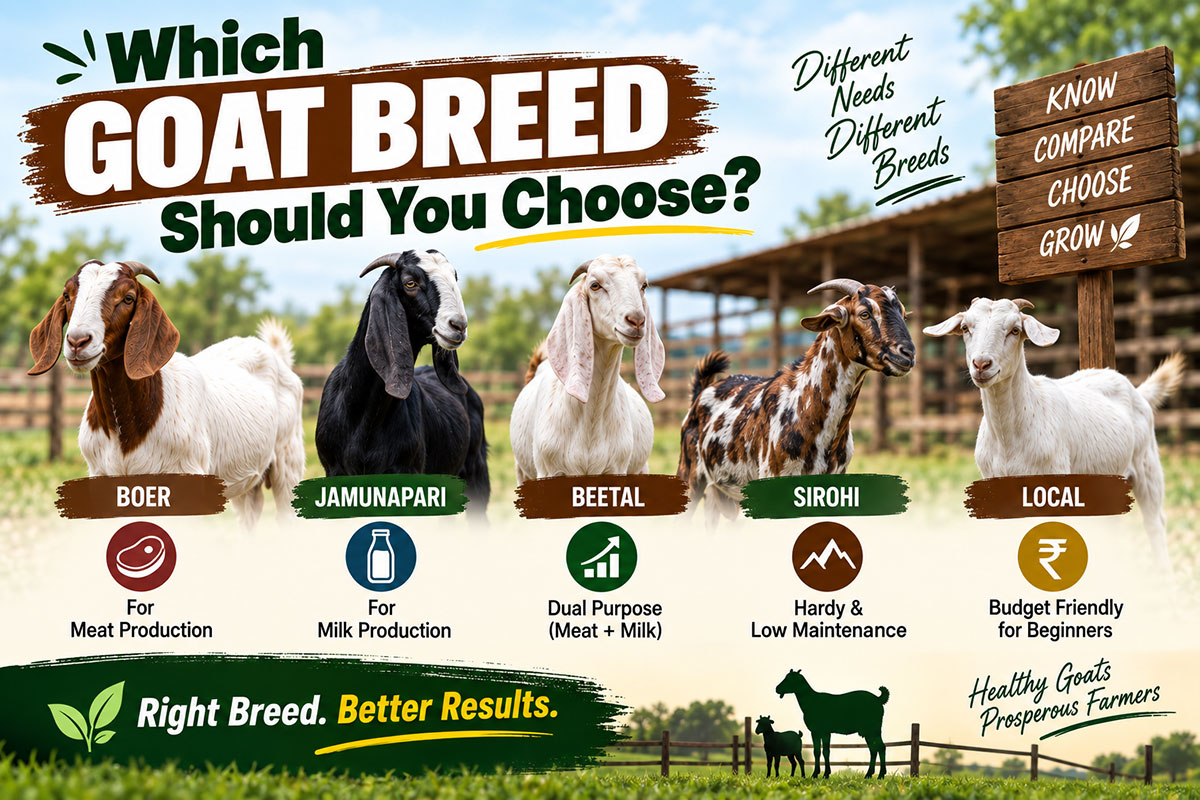
With dozens of goat breeds raised across India, breed selection often becomes the most agonised-over decision for new farmers — and also one of the most consequential. The right breed for your neighbour’s farm may be the wrong one for yours. This guide gives you a practical framework rather than a single “best” answer.
If your primary goal is meat sale, breeds like Boer (fastest growth, highest dressing percentage), Sirohi, Osmanabadi, and Black Bengal are commonly chosen depending on region. If milk is your priority, Jamunapari and Beetal stand out for yield. If you want flexibility, several regional breeds perform reasonably at both, at the cost of not excelling at either.
Hardiness varies significantly by breed. Sirohi and Osmanabadi tolerate heat and variable conditions well, making them a common default across drier states. Boer, while excellent for meat yield, generally needs more careful management in extreme heat or humidity compared to hardier local breeds. Black Bengal suits the humidity of Eastern India particularly well. As a rule, the breed already being raised successfully near you is a strong signal of climate fit.
Premium breeds (Boer, Jamunapari) cost meaningfully more per head to purchase and often require richer feed to perform at their potential — a real consideration if capital is tight. Hardier, lower-cost breeds like Barbari or Sirohi let you build herd size faster on the same budget, which matters if scale is your near-term priority.
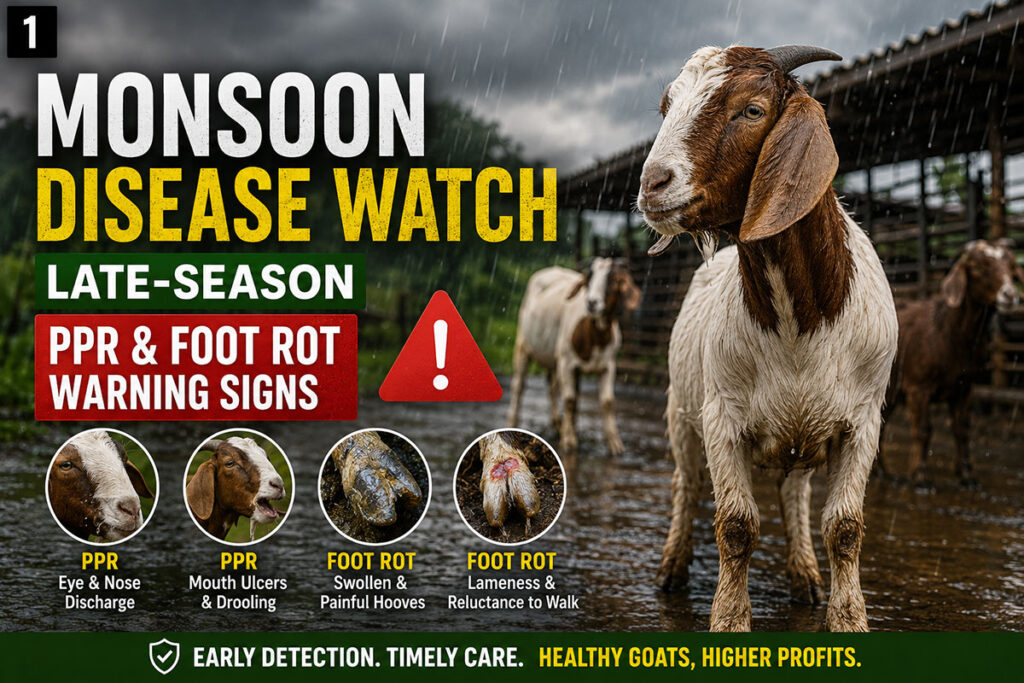
If you’re selling primarily through mandis for meat, buyer familiarity with a breed in your region affects how easily and competitively it sells. If you’re targeting a dairy or direct-milk buyer, consistent, provable yield matters more than breed “fame.”